Insight

What is a Design Professional’s Tort Duty?

Published on: May 24, 2024
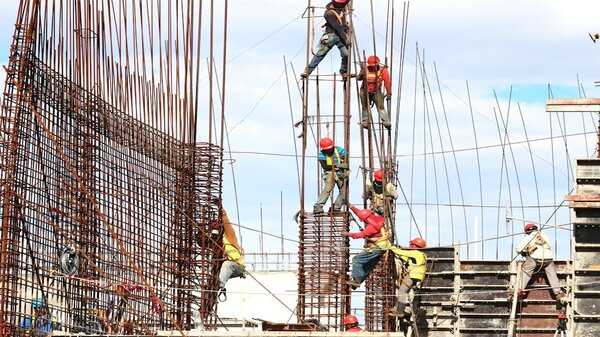
A design professional’s duties and responsibilities on a construction project generally are outlined in its contract with the owner. Does a design professional’s duty extend to third parties? The Supreme Court recently addressed this issue and held that the design professional’s duty to third parties is limited to the terms of the contract documents.

In Bonilla, a construction worker was injured while performing demolition work on a construction project. The worker, who was a subcontractor on the project, filed suit against the architect and the engineer on the project alleging that these design professionals failed to monitor and supervise the execution of the plans to ensure safety on the job site.

The engineer and the architect filed summary judgment motions arguing that they owed no duty to oversee, supervise, or maintain the construction site. The trial court granted their motions. However, the appellate court found the contract between the architect and the owner may have inferred a duty was owed to the worker.

The appellate court referenced contract provisions that required the architect to make weekly site visits and to report to the owner any deviations from the plans. The court noted that the architect was on site the day of the accident and photographed potential unsafe conditions, which would have deviated from the plans. The appeal court reversed the trial court’s ruling granting summary judgment.

The architect filed a writ with the Louisiana Supreme Court, which reversed the appellate court’s ruling and reinstated summary judgment in favor of the design professionals. The Supreme Court emphasized “the duty owed to an employee of a contractor by an engineer or architect is determined by the express provisions of the contract between the parties.”

While the contract documents required the architect to make weekly visits to the jobsite, the purpose of this duty was to ensure that the owner received the building it paid for and that the progress and quality of the work met the plans. More importantly, the contract also provided that these site visits did not create a duty to supervise construction. In contrast, under the terms of the contract, the contractor had control over construction means and methods and responsibility for site safety, specifically including site safety for all employees.

The clear and unambiguous language of the contract dictated that the design professions owed the worker no duty. Therefore, the Supreme Court held that the architect could not be held liable for failing to perform a duty that it had no responsibility to undertake.

Reference:

Bonilla v. Verges Rome Architects, 2023-00928 (La. 3/22/24), 382 So. 3d 62.

Posted by:

Disclaimer

Keogh Cox & Wilson, Ltd. provides this blog as a public service for general information only. The materials contained herein may not reflect the most current legal developments or even express the opinion of all or even most of Keogh Cox attorneys. Such material does not constitute legal advice or form any attorney-client relationship. Keogh Cox and all contributing author(s) expressly disclaim all liability to any person with respect to the contents of this Web site and Blog and expect that no reliance will be made upon the information provided.


Continue Reading

Explore legal perspectives on the issues shaping Louisiana's key industries and courtrooms.

Insight

What is a Design Professional’s Tort Duty?

A design professional’s duties and responsibilities on a construction project generally are outlined in its contract with the owner. Does a design professional’s duty extend to third parties? The Supreme Court recently addressed this issue and held that the design professional’s duty to third parties is limited to the terms of the contract documents.

In Bonilla, a construction worker was injured while performing demolition work on a construction project. The worker, who was a subcontractor on the project, filed suit against the architect and the engineer on the project alleging that these design professionals failed to monitor and supervise the execution of the plans to ensure safety on the job site.

The engineer and the architect filed summary judgment motions arguing that they owed no duty to oversee, supervise, or maintain the construction site. The trial court granted their motions. However, the appellate court found the contract between the architect and the owner may have inferred a duty was owed to the worker.

The appellate court referenced contract provisions that required the architect to make weekly site visits and to report to the owner any deviations from the plans. The court noted that the architect was on site the day of the accident and photographed potential unsafe conditions, which would have deviated from the plans. The appeal court reversed the trial court’s ruling granting summary judgment.

The architect filed a writ with the Louisiana Supreme Court, which reversed the appellate court’s ruling and reinstated summary judgment in favor of the design professionals. The Supreme Court emphasized “the duty owed to an employee of a contractor by an engineer or architect is determined by the express provisions of the contract between the parties.”

While the contract documents required the architect to make weekly visits to the jobsite, the purpose of this duty was to ensure that the owner received the building it paid for and that the progress and quality of the work met the plans. More importantly, the contract also provided that these site visits did not create a duty to supervise construction. In contrast, under the terms of the contract, the contractor had control over construction means and methods and responsibility for site safety, specifically including site safety for all employees.

The clear and unambiguous language of the contract dictated that the design professions owed the worker no duty. Therefore, the Supreme Court held that the architect could not be held liable for failing to perform a duty that it had no responsibility to undertake.

Reference:

Bonilla v. Verges Rome Architects, 2023-00928 (La. 3/22/24), 382 So. 3d 62.

Insight

What's the Delay? Contractor Delay Damages Under the Public Bid Law

Generally, a provision in a construction contract for private work limiting the contractor's right to recover additional costs arising from delays outside of the contractor's control may be enforceable. However, under the Public Bid Law, such a provision has been found to be against public policy. La. R.S. 38:2216 prohibits any public contract provision that purports to waive, release or extinguish the rights of a contractor to recover delay damages if the delay was caused in whole or in part by the acts or omission of the public entity.

A recent First Circuit decision struck down a contract provision that purported to limit a contractor's right to damages in a public contract. In F.H. Myers Const. Corp. v. State, Div. of Admin. Office of Facility Planning & Control, 2013-2153 (La.App. 1 Cir. 6/18/14), reh'g denied (July 22, 2014), a general contractor brought an action against the State for breach of contract, seeking payments for extended-fixed job site overhead.

The State argued that the contract contemplated that the contractor could recover extended-fixed job site overhead only if there was a complete stoppage of work solely attributable to the State. The contractor argued that the contract provision was in violation of La. R.S. 38:2216.

The court found that La. R.S. 38:2216 contemplates that a contractor who is a party to a public contract shall be able to recover for any delay they may suffer from the fault of the State entity. Because the contract waived the contractor's rights to seek damages for extended-fixed job site overhead for any delay short of a complete stoppage of work, the contract imposed a stricter limit on damages than the statute allows. The court also noted that the contract only allowed for damages where the State was 100% at fault, whereas the statute allows recovery even if the State is only partially at fault. As such, the provisions at issue were held to be void and unenforceable.

News

Mary Anne Wolf will present Construction Insurance at the LSU and LSBA Construction Law CLE Program.

Mary Anne Wolf will present Construction Insurance at the LSU and LSBA Construction Law CLE Program on September 20, 2024.

Chelsea A. Payne

Partner
Architects
Construction
Engineers